What supplements should you take before and during pregnancy? A midwife’s guide
I remember the headache when i decided to try for a baby and the overwhelming information.. so I hope this will help you.
The recommendation in here are honest as I personally use these supplement myself or I have used in the past. For wild nutrition, I have an affiliate link and a discount code that you can use, (iut means that I earn a small commission, but this wont make a difference on your price) you can see it at the end of the page.
Before we talk about what to take, we need to talk about what your body actually needs.
Most women come to me asking which supplement they should be on. And supplements matter, but they’re not where I start. If your sleep is poor, your stress is high, your cycle is irregular, or your relationship with food is complicated, no supplement is going to fix that. Your body has to feel safe before it will prioritise reproduction.
So before anything else, look at the foundations. Are you sleeping? Are you eating enough of the right things? Is your nervous system constantly in fight or flight? These are the questions worth asking first. Once those are in place, targeted nutritional support can do what it’s designed to do.
This is my guide to building the full picture, from the ground up, starting well before you even think about trying to conceive.
Do I need to take supplements before I’m even pregnant?
Yes, and ideally well before.
Your eggs take around 90 days to mature. That means the nutritional environment your body is in right now is directly shaping the egg that will eventually be fertilised. The same goes for sperm, it takes around 74 days to develop.
This is why the preconception window matters so much, it’s not about being perfect, it’s about giving your body the building blocks it needs before conception even happens.
One of the things I see most often is women who have been trying to conceive for months, sometimes years, without anyone ever looking at their nutritional status. Nutrient deficiencies don’t just affect pregnancy, they affect your ability to get pregnant in the first place. Iron, folate, vitamin D, magnesium, zinc; when these are out of balance, your hormones, your cycle, and your egg quality all feel it.
12 months before you try to conceive
This is the foundations stage.
That means looking at how you’re sleeping, how stressed you are, whether you’re eating enough, and whether your cycle is regular. A body under chronic stress doesn’t prioritise reproduction, that’s biology. So before anything else, this is the time to work on your nervous system and your relationship with food.
Once those foundations are in place, start building your nutrient stores. The key ones at this stage are:
✦ Folate: for cell division, early baby development, and DNA methylation. The most bioavailable form is methylfolate, this is found in dark leafy greens and the form used in quality supplements
✦ Iron: many women go into pregnancy already low, low ferritin affects energy, cycle health, and egg quality.
✦ Magnesium: supports sleep, stress response, and hormone balance (Most people are deficient),
✦ Omega 3: for egg cell health, brain development, and reducing inflammation.
✦ Vitamin D: most people in the UK are deficient, especially October to March. Critical for hormone regulation and immune function
✦ B vitamins: or energy, mood, and methylation. B6 supports hormone regulation, B12 is essential for cell division.
✦ Zinc: for egg maturation, ovulation, and protecting eggs from oxidative damage
✦ CoQ10: supports mitochondrial function and egg quality. Egg cells need significant energy to mature properly and CoQ10 levels naturally decline from your 30s. Take for at least 3 months preconception and stop once pregnant
✦ Myo-inositol: particularly useful if you have PCOS, irregular cycles, or blood sugar imbalance. Supports FSH signalling and egg maturation
✦ Vitamin E: protects eggs from oxidative damage, higher levels in follicular fluid are linked to better egg quality
✦ Choline: essential for early neural tube development and brain formation, often missed, it is found in eggs, meat, and fish, if your diet is low in these, supplement
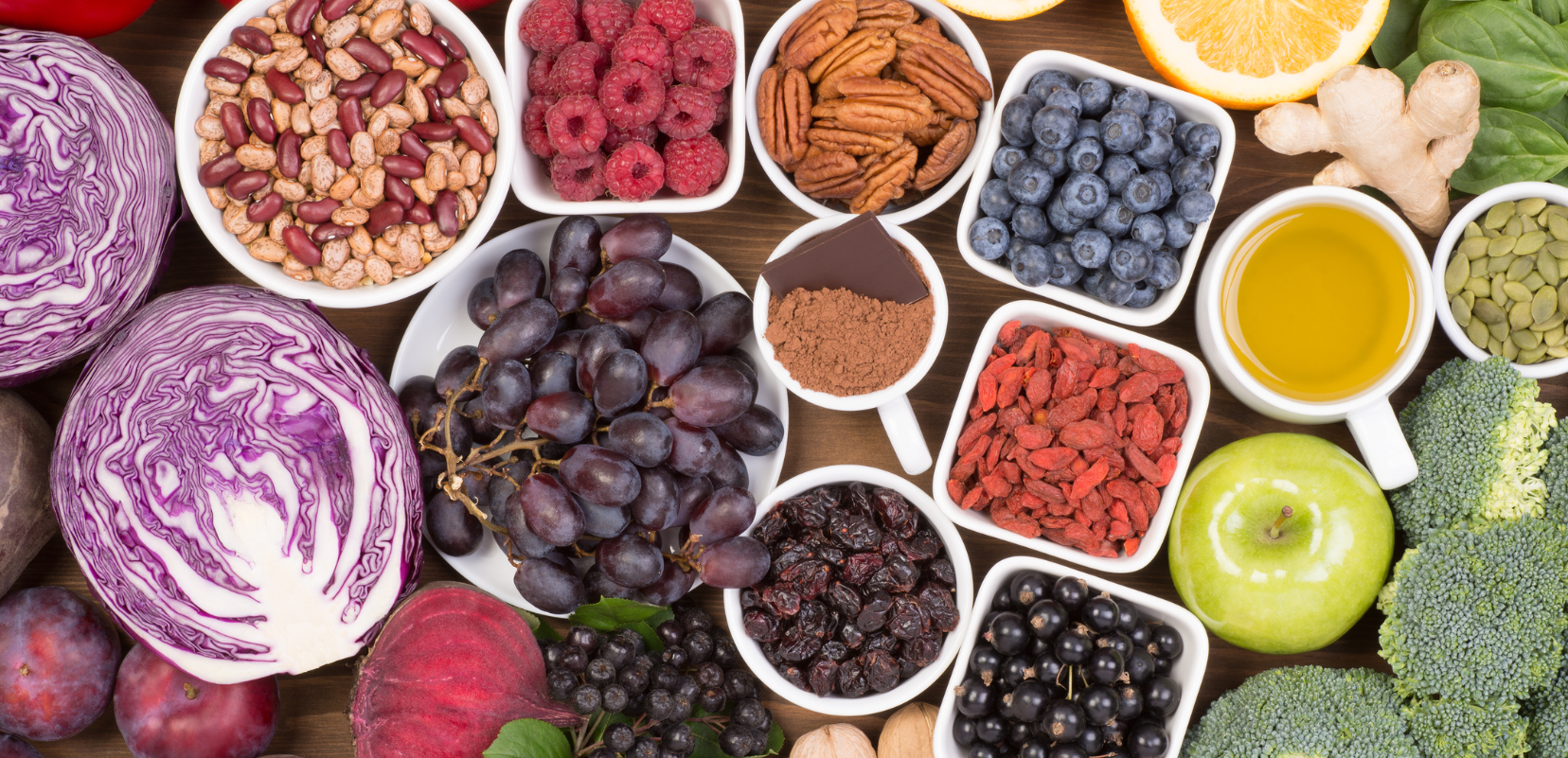
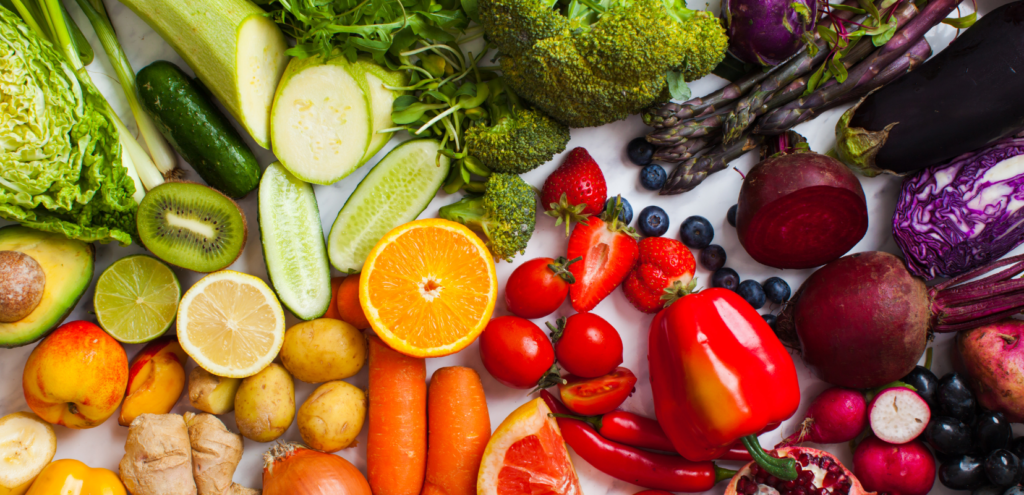
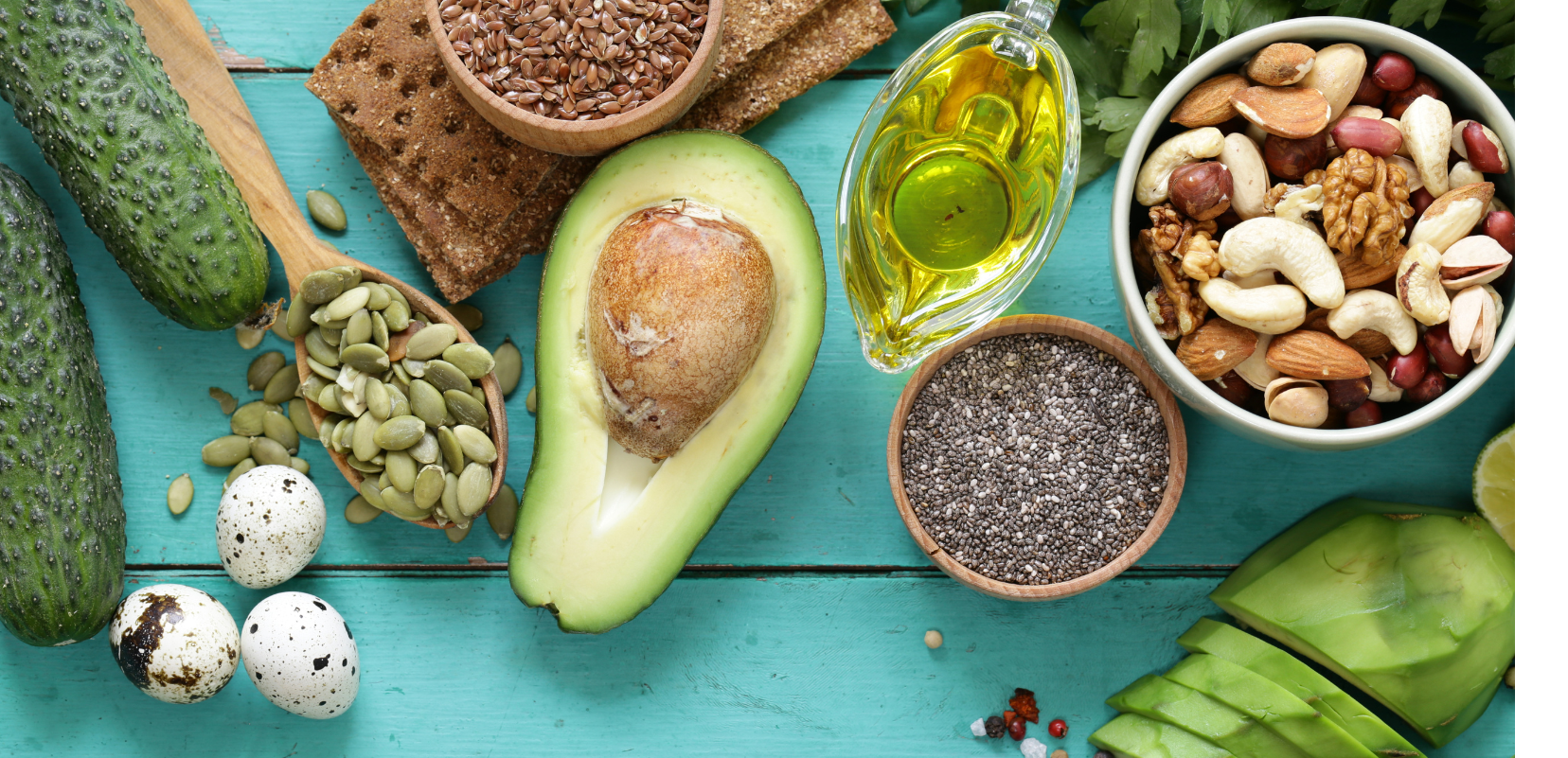
Food first, always. Dark leafy greens, oily fish, nuts, seeds, red meat or lentils with vitamin C. Then use targeted supplements to fill the gaps.
The NHS recommends all women take folic acid (but Folates IS much better and more absorbable that folic acid) before and during pregnancy up to 12 weeks, and vitamin D throughout.
6 months before you try to conceive
This is when I’d start a proper preconception supplement if you haven’t already.
Research shows building an optimal nutritional environment for conception can take up to six months, with a minimum recommended preparation time of three months.
The supplement brand I use myself and recommend to my clients is Wild Nutrition. Their Food-Grown® process means nutrients are derived from real food rather than synthesised in a lab, your body absorbs them the way it would from what you eat. They’re gentle on your stomach, free from synthetic fillers, and clinically considered. That’s why they’re my first recommendation throughout this article.
Their Food-Grown® Fertility Support for Women covers folate, zinc, B6, iron, vitamin D, magnesium, and ashwagandha for nervous system support. If you want to keep it simple, their Daily Essentials sachets pair the Fertility Support with Pure Strength Omega 3 in one daily sachet.
This is also the time to start a probiotic. Wild Nutrition’s Multi Strain Biotic is a good starting point, a healthy gut microbiome supports hormone balance, nutrient absorption, and vaginal health, all of which are relevant to fertility.
For CoQ10 specifically, Wild Nutrition don’t offer a standalone version. I recommend BioCare for this, they have a well-formulated CoQ10 that’s worth adding in alongside your fertility multi, especially if you’re over 30 or have been trying for a while. Their Methyl Pregnancy Multinutrient also includes choline at a therapeutic dose of 150mg, which is worth knowing about if your diet is low in animal products.
Your partner matters here too. Sperm health is shaped by nutrition just as much as egg quality. Wild Nutrition make a Food-Grown® Fertility Support for Men, zinc for testosterone, selenium for sperm health. Fertility is a shared responsibility.
At six months out, also look at:
✦ Your skincare and make-up: parabens and synthetic oestrogens absorb through your skin daily
✦ Your cookware: non-stick coatings can release hormone-disrupting compounds
✦ Your alcohol intake: even moderate drinking affects egg and sperm quality
✦ Your sleep: this is when your body repairs and produces melatonin, which supports egg quality
12 weeks before you try to conceive
The final preparation window. If you haven’t started a fertility supplement yet, now is the absolute minimum.
This is also the time to get your bloods checked if you can. Iron, ferritin, vitamin D, and thyroid function are the ones I’d prioritise. It’s much easier to correct a deficiency now than when you’re already pregnant and exhausted.
Emotionally, this is a good time to get honest about stress, anxiety, or any unresolved feelings about pregnancy or birth, especially if you’ve had a previous difficult experience. Your nervous system state genuinely affects fertility.
Once you get a positive test
Switch from your fertility supplement to a pregnancy-specific one straight away.
Wild Nutrition’s Food-Grown® Pregnancy + New Mother Multi covers 29 nutrients including folate, iron, iodine, zinc, selenium, and vitamin D, all in their food-grown form, which means they’re gentler on your stomach and better absorbed.
This matters especially in the first trimester when nausea can make everything harder.
Add to that:
✦ Omega 3: Wild Nutrition’s Pregnancy + New Mother Omega 3 is 100% free of vitamin A, which some fish oils contain and which isn’t safe in high doses in pregnancy.
If you follow a vegan or plant-based diet, BioCare offer an algae-based DHA option
✦ Probiotic: switch from your preconception Multi Strain Biotic to Wild Nutrition’s Pregnancy + New Mother Biotic, which uses four strains specifically studied for pregnancy. It supports your gut and vaginal bacteria and contributes to your baby’s developing microbiome from the very start. BioCare’s AnteNatal Bioflora is another strong option using the LAB4B complex studied in the Swansea Baby research
What about folic acid vs folate?
This comes up a lot. Folic acid is the synthetic form. Folate is the natural, active form, and it’s what both Wild Nutrition and BioCare use in all their pregnancy products.
Some women have a genetic variation called MTHFR that makes it harder for their body to convert folic acid into the active form it can use. If that’s you, folic acid supplements may not be working as well as you think. Methylfolate, the most bioavailable form, bypasses that conversion entirely. BioCare write well about the clinical significance of this if you want to read further.
The NHS recommends 400mcg of folic acid daily from before conception until 12 weeks. Both Wild Nutrition and BioCare meet this at the recommended level in the methylfolate form.
Through each trimester
 Your nutritional needs shift as your pregnancy progresses.
First trimester: folate is critical for neural tube development in the first 12 weeks. Iron and B vitamins support energy. Choline is needed from the very start for brain formation. If you’re struggling with nausea, food-grown formulas are much gentler on an empty stomach than standard supermarket prenatals.
Second trimester: iron becomes more important as your blood volume increases. Omega 3 supports baby’s brain and eye development. The British Nutrition Foundation notes that omega 3 is needed for your baby’s brain and eye development and recommends supplementation alongside diet. Magnesium can help with leg cramps and sleep.
Third trimester: calcium, vitamin D, and omega 3 are doing a lot of work as your baby’s bones and brain develop rapidly. Your own iron stores are being heavily drawn on. Keep your probiotic going, it directly influences your baby’s gut bacteria at birth.
After birth and postnatal recovery
This is the stage most women forget about, and it’s the one where I see the biggest gaps.
Birth is physically enormous: your body has just done the most demanding thing it will ever do, and if you’re breastfeeding, your nutritional demands are even higher than they were in pregnancy.
The Wild Nutrition Pregnancy + New Mother Multi, Omega 3, and Biotic all continue through postnatal and breastfeeding. You don’t need to switch products, just keep going.
Iron is the big one postnatal. If you lost a significant amount of blood in labour, get your iron checked at your six-week check. Low ferritin is one of the most common reasons women feel completely flat in the weeks after birth, exhausted beyond the sleep deprivation, tearful, foggy. It’s so often missed.
Which products do I recommend and when?
Here’s a simple summary:
✦ Trying to conceive: Food-Grown® Fertility Support for Women (or Daily Essentials sachets) + Pure Strength Omega 3 + Multi Strain Biotic
✦ Partner: Food-Grown® Fertility Support for Men (or Men’s Daily Essentials sachets)
✦ Positive test onwards; Pregnancy + New Mother Multi + Pregnancy + New Mother Omega 3 + Pregnancy + New Mother Biotic
✦ Postnatal and breastfeeding: continue the same trio
✦ CoQ10: standalone preconception add-on, especially over 30 or if you’ve been trying for a while
✦ Methyl Pregnancy Multinutrient, alternative pregnancy multi with added choline and lutein
✦ AnteNatal Bioflora, pregnancy probiotic using the clinically studied LAB4B complex
✦ Vegan Omega 3: algae-based DHA for plant-based diets
You can get 20% off your first Wild Nutrition order with my code WILDCARE-N27-20 at checkout: applies to one-time purchases, no minimum spend. here is my affiliate link: Shop here
Note: there is currently a consumer offer on the Wild Nutrition website “HABIT50” but my code cannot be combined with other discounts, so check which gives you the better deal before you buy.
A note from me
Supplements support your body. They don’t replace good food, rest, or feeling genuinely well in yourself.
with love, V