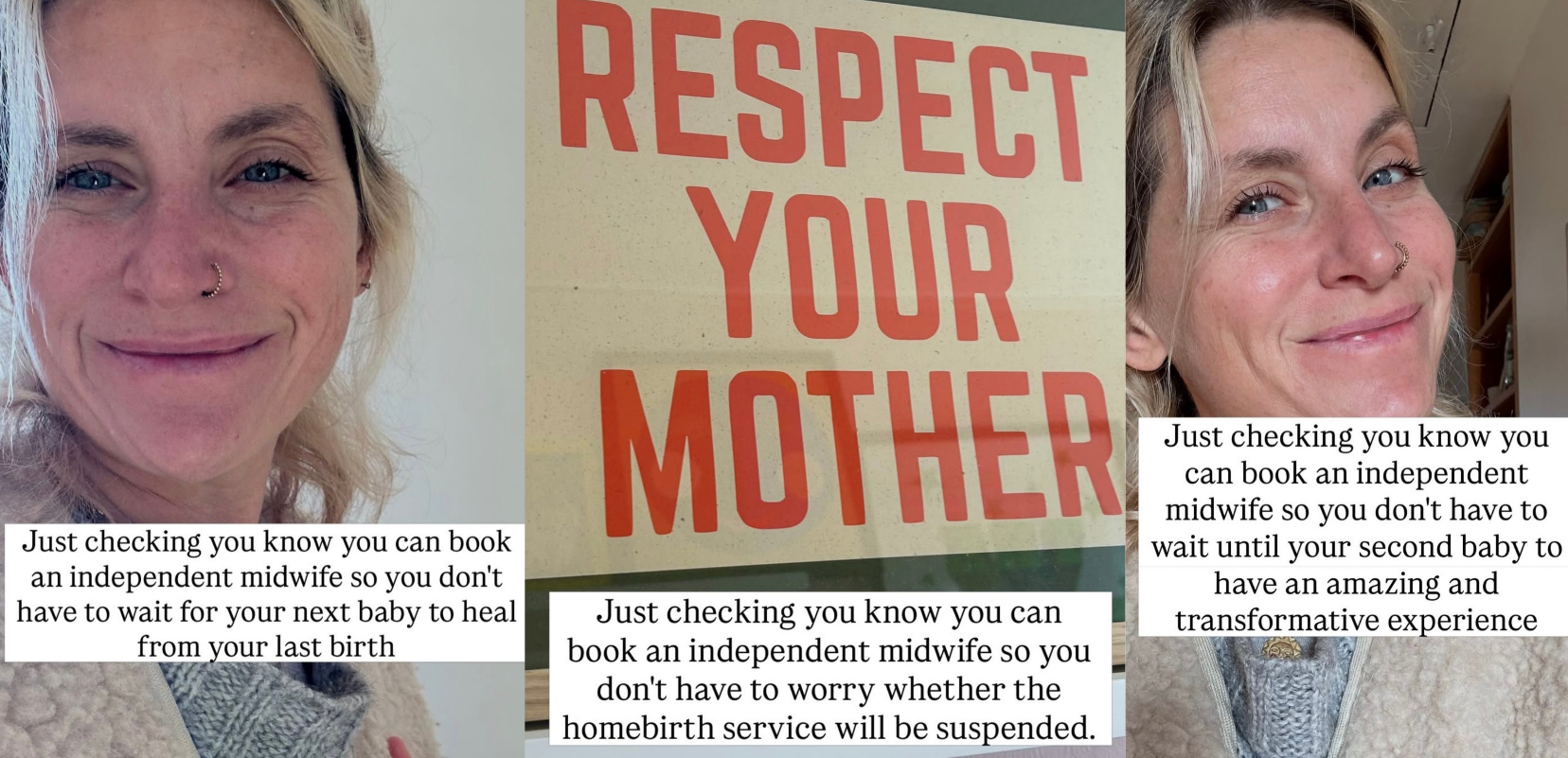
I was in your exact situation
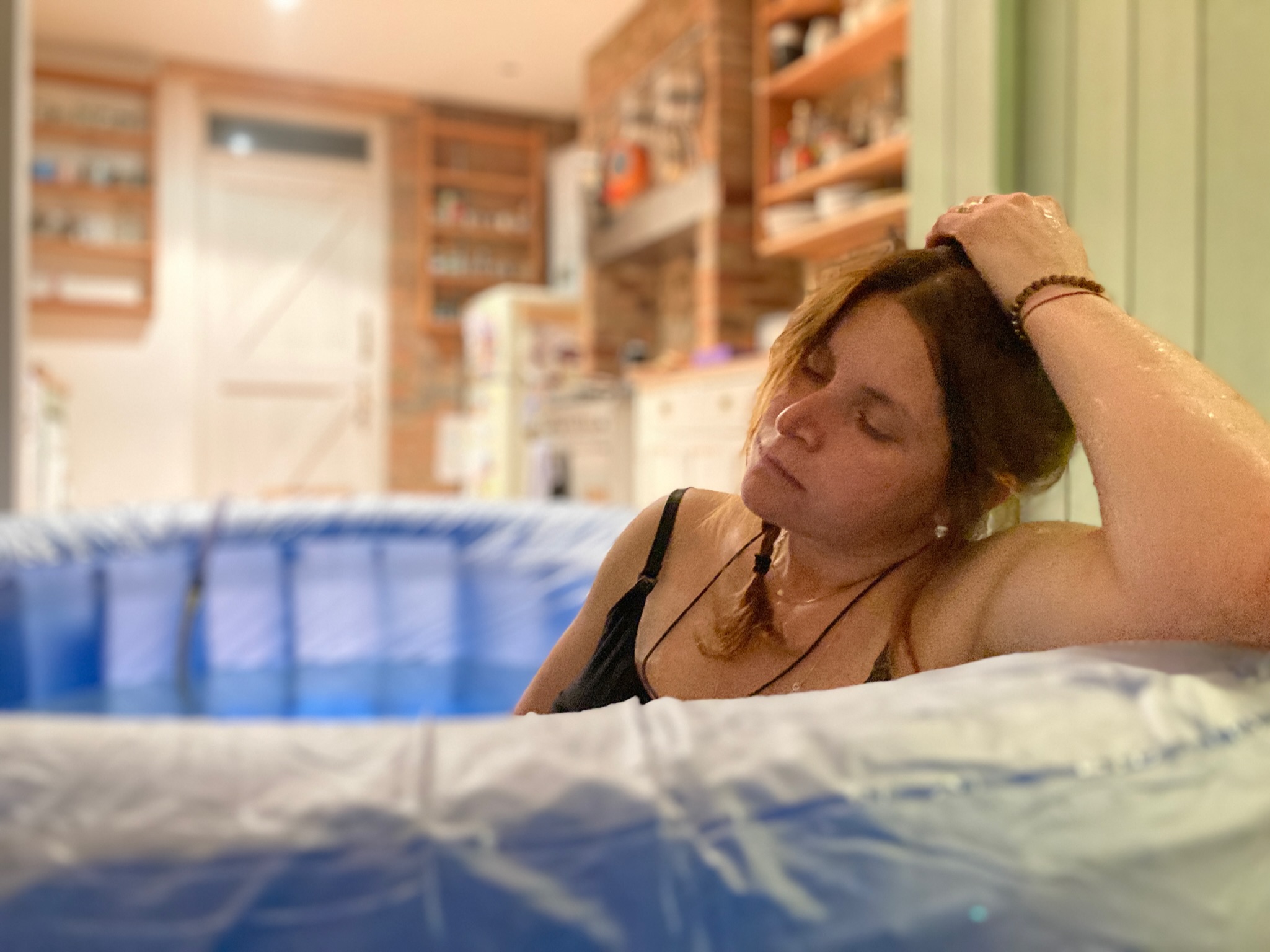
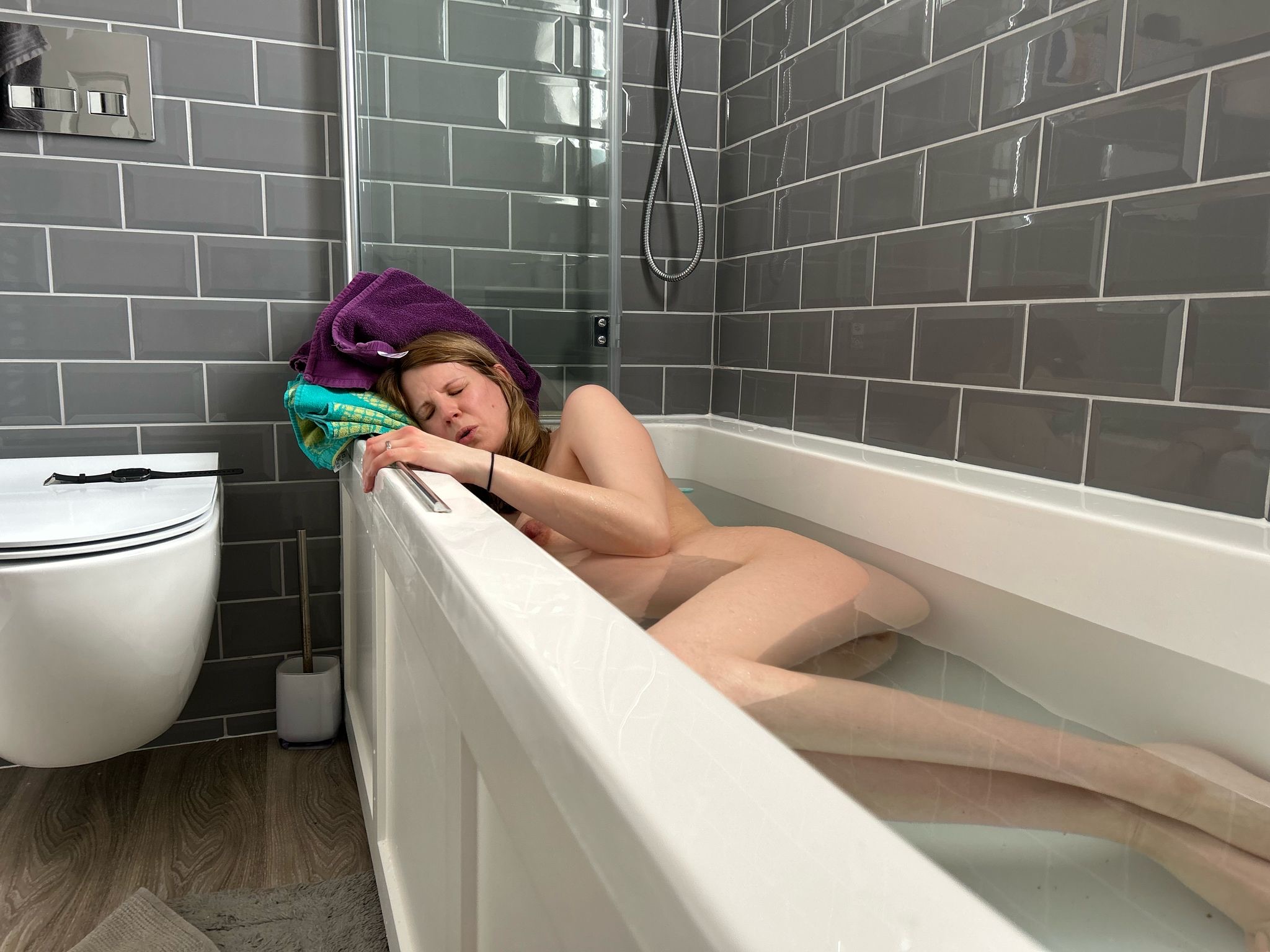
When I had my second baby, I had booked a homebirth with the NHS. I was a midwife in that same trust, and I naively thought my own trust would support me in my birth, especially as the midwives I had chosen were happy to be there for me.
Instead, at nearly 38 weeks, when I was already on maternity leave, it was made clear to them that they wouldn’t be allowed to attend if the homebirth service was suspended, with consequences that included the risk of losing their jobs. At a time when I should have been nesting and preparing to birth my baby, my husband and I found ourselves thinking about an unassisted birth. I wasn’t asking for special treatment; I just wanted to birth my baby in peace, supported by the people I loved and trusted.
Even on the day my waters broke, I couldn’t focus on birthing, because all I could think about was whether someone would come or not.

That was when I truly understood, from the other side, how families feel when they are pushed towards birthing without support, and why some stop calling at all.
Being in that situation is what made me start my own practice. So here I am, walking beside you and helping you to have the best experience of your life.
Why I’m writing this
Homebirth suspensions have been on my mind for a long time, and having recently left the NHS, I feel able to speak more openly about what I really think is going on.
When Poppy, a mother I cared for, looked into her options for a homebirth, she asked how often the service was being suspended, and when she heard the answer, she realised that the birth she wanted could not be promised to her. As she said to me, “I wish they had told me sooner, and been more transparent about this.” Her words have stayed with me, because I hear the same thing from so many women.
What is happening to homebirth
Homebirth is a choice that every woman with a straightforward pregnancy is entitled to make, and yet, at the moment, it is one of the most fragile parts of maternity care. When services are stretched, care for women with straightforward pregnancies, and the choice to birth at home, is so often the first thing to be set aside, as if it were an extra rather than a right.
Across the South East, the homebirth service is very often suspended, sometimes for a few hours and sometimes for a day or more. In other parts of the country it has gone further still. In September, Homerton Hospital in London suspended its homebirth team from supporting births at home with immediate effect. Women can still receive antenatal and postnatal care from the team, but not in labour, and families have started a petition asking the hospital to reverse its decision. And this summer, births at North Devon District Hospital were suspended entirely, leaving families to travel much further to give birth.
And even where the service isn’t officially suspended, in some places it isn’t running properly. Many trusts never officially suspend homebirth, yet the service works on and off constantly. Nights are often not covered, and when they aren’t, a midwife can’t be sent out to a birth after 4pm. Holiday peaks are difficult to cover too, so the service you were promised in pregnancy may simply not be there when your labour begins.
What is rarely shared is how many women planned a homebirth and didn’t have one, because the service was suspended on the day. That number isn’t published anywhere, and so many women only find out when they are already in labour and pick up the phone.
Why I think it happens
We are usually given reasons for suspensions, but never mind the reasons given. I wonder whether it has more to do with women declining medical interventions.
You see, homebirth asks us to see the unseen. At home there are no monitors to watch, no bells to answer and no clock setting the pace. There are guidelines, of course, but they are so much harder to “enforce” in someone’s home.
Birth unfolds in its curves and its pauses, and the midwife’s work is to notice the way a woman moves, breathes, goes quiet or turns inwards. What can’t be measured is so much harder to control, and I believe that is exactly why homebirth is so hard for the system to hold.
The evidence that gets left out
We know how much place of birth matters, yet I feel the evidence has been continuously ignored.
Study after study, from Birthplace in England to The Lancet’s eClinicalMedicine (on babies and on mothers) and recent research from Australia, shows that planning a birth at home brings better birth experiences for mothers and just as safe outcomes for babies, with fewer interventions, greater satisfaction and less trauma.
I often wonder how some evidence makes it into policies and guidelines while other evidence is left out. If you’ve been following me for a while, you already know which one gets left out.
A right that isn’t being met
Evidence or not, families have the right to give birth at home in the way they choose, and too often that right is not being met.
There is so little respect and support for women who choose physiological birth at home. Their choices are questioned and undermined, their capability to give birth is doubted, and their authority over their own bodies is overridden. What follows is constant control, called “safety”, which I think is so often closer to surveillance.
And it isn’t only women who aren’t being respected and supported. There are so many midwives who are passionate about supporting families at home. I can guarantee it, because I was one of them in the NHS, and I have wonderful colleagues doing the same and fighting for this every day. They hold this work with such skill and commitment, yet they are not given the respect or the support they need to offer it.
 “We always try to keep the service running”
This is what I hear constantly: “We always try to keep the service running if we can.” I don’t think that is good enough.
Families need clarity and honesty, not the goodwill of the manager on call, the coordinator or the midwives who go out of their way to support the service. I’ve seen how much love and dedication goes into keeping homebirth possible, and I’ve seen how fragile it becomes when it relies on individuals rather than on a service that truly values it.
Women choosing homebirth deserve to be properly cared for too, in the same way that new elective caesarean theatres have been put in place. Women deserve to know that their choice will be respected, and midwives deserve to be supported in offering it.
If you’re planning a homebirth, what to ask
If you are planning a homebirth, I want you to go in with your eyes open, so that the choice is truly yours. Ask your Head of Midwifery:
- How many women asked for a homebirth in the last 6 months?
- How many of those women actually gave birth at home?
- How many times was the homebirth service suspended or unavailable in that time, including nights when it wasn’t covered?
- Do you have a dedicated homebirth team, and how does it work?
- Is the homebirth team fully staffed?
Knowing this early in your pregnancy gives you the time to make the choice that feels right for you.
How I can support you
Birth doesn’t always go the way we hope, and that’s exactly why who is with you matters so much. My care is built on relationship, time and trust, so that whatever your birth brings, you’ll be held by someone who knows you and believes in you. When you call, I will be there. You won’t have to wonder whether anyone is coming, because the midwife you call is the one who has walked beside you all along.
I care for families across Sussex, Surrey, Kent, and London I walk beside you through your pregnancy, your birth and the early days after, If you curious to know how I work you can book an exploration call with me, it is free !
Kind words of families I’ve worked with
“Thank you so much for your incredible support and advice during my pregnancy, birth and after! I really appreciated your honest and calm approach. I feel incredibly lucky, and wish I had you as my midwife from the beginning of my pregnancy.” – Poppy
“Thank you so much, Virginia, for giving me the birth I always dreamed of. Thank you for being a pillar of strength and a calm to my storm.” – Imogen
“They not only listened to me but truly heard me. They helped to make my birth special, positive and liberating.” – Rhiannon
“You made me feel heard, held and honoured in birth.” – Ellen, Brighton
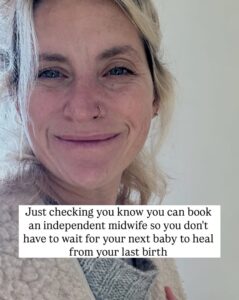


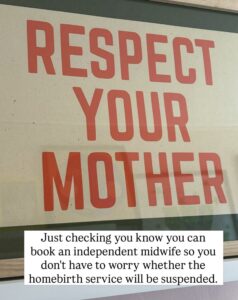
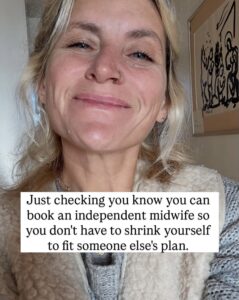
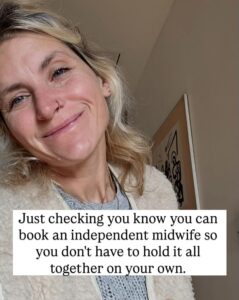
You are worthy of this care. Choosing your own midwife is an investment in your birth, and in your life, because you only birth your baby once.
If you know you want to birth at home, reach out to me early in your pregnancy, so that we have time to build the relationship and trust. Check my offerings here