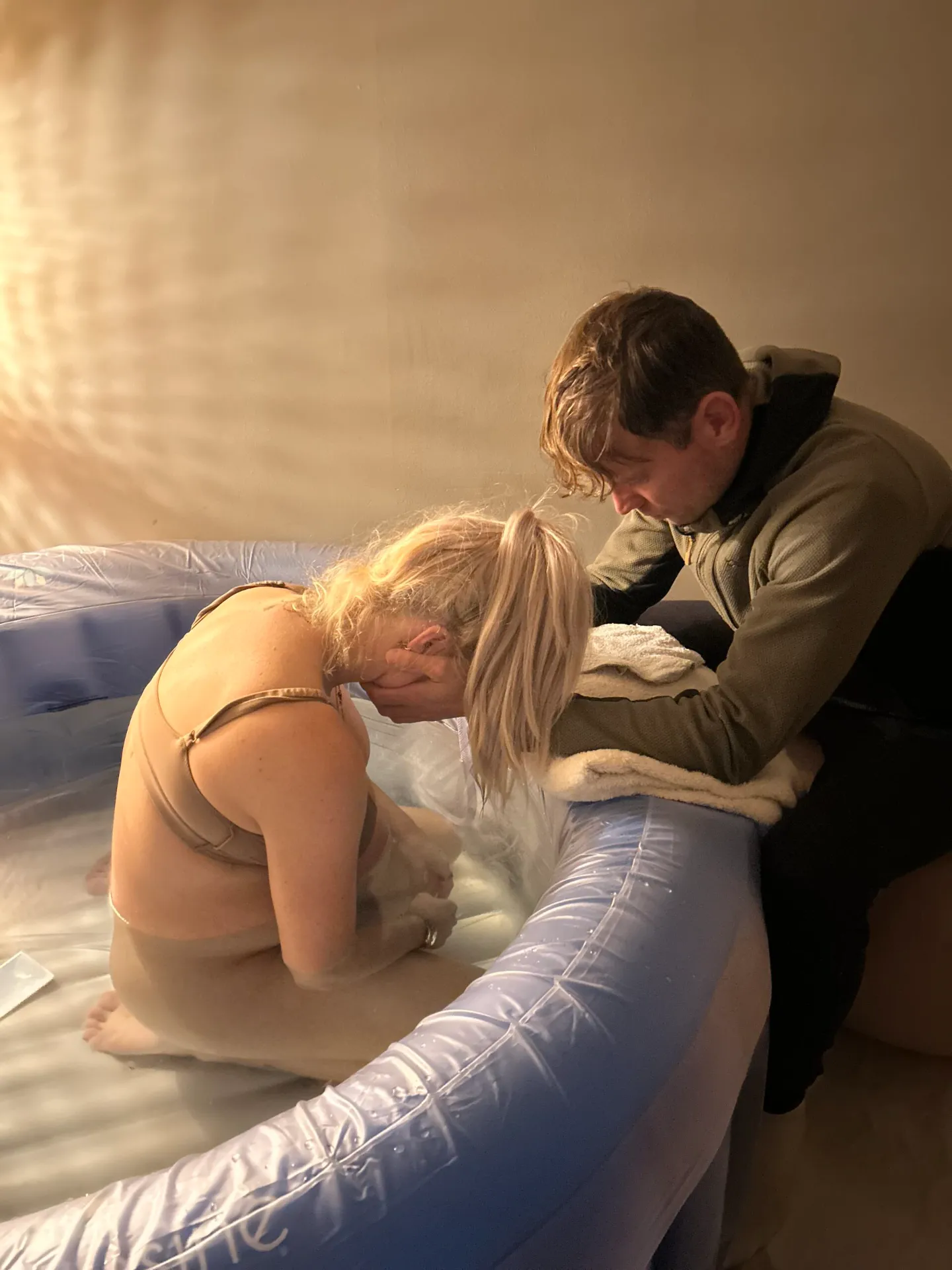
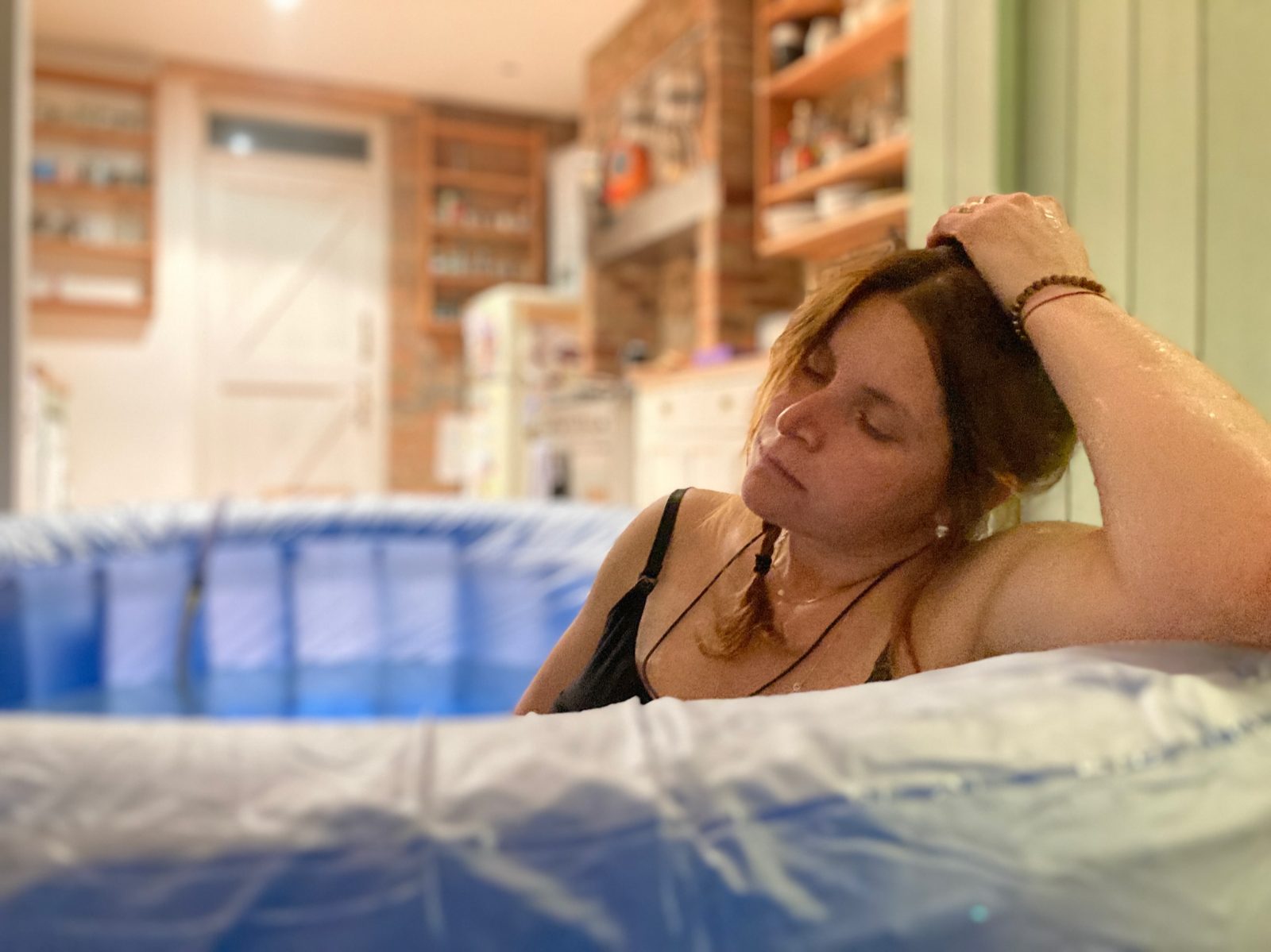
When women tell me they are planning a home birth after caesarean, the reaction they often get is: “That’s so brave.” But brave suggests you are taking a risk most people wouldn’t. Planning an HBAC isn’t brave. It’s informed.
The difference is the setting and the care provider, and when you understand the evidence, choosing home after a caesarean stops looking like courage and starts looking like common sense.
What the evidence says about home birth after caesarean
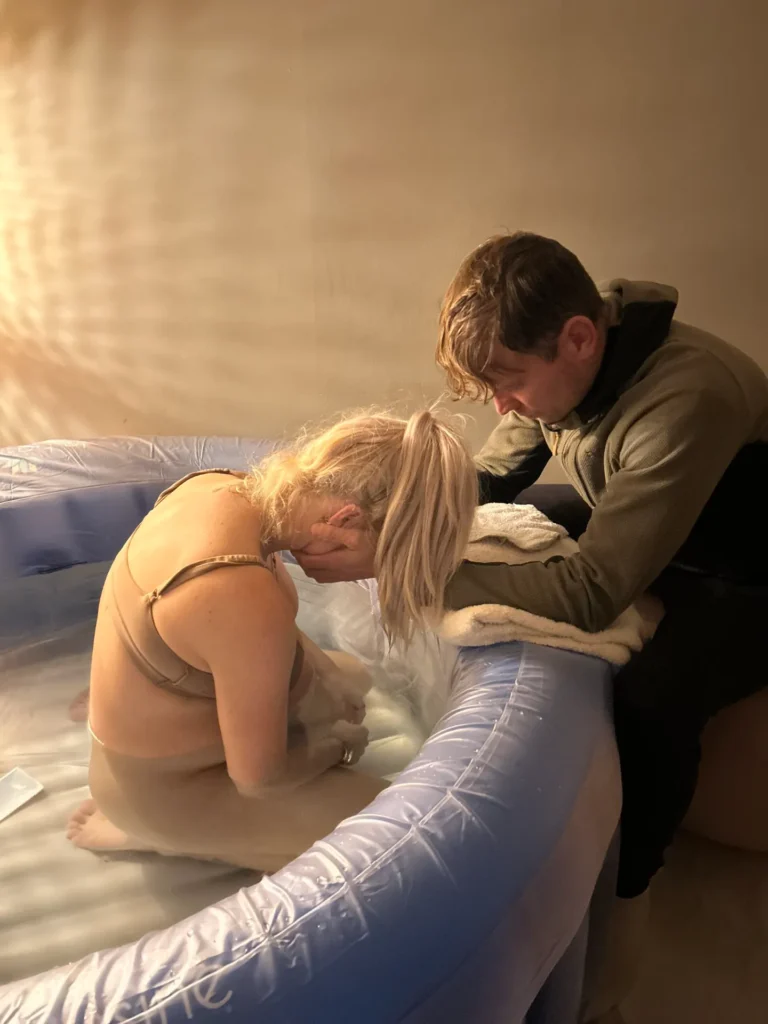 The risk most women are warned about after a caesarean is the scar opening during labour, known as uterine rupture. The Royal College of Obstetricians and Gynaecologists puts this at around 1 in 200 for women planning a vaginal birth after one caesarean, which means around 99.5% of women will not experience it. It is rare, and it is something an experienced midwife knows how to watch for.
Even after two caesareans, a large review found that around 71% of women who planned a vaginal birth went on to have one.
Where you birth matters too. A 2021 study from British Columbia, Canada, compared women planning a home birth after caesarean with women planning a VBAC in hospital. The HBAC group had a 39% lower caesarean rate, and adverse outcomes were low in both groups, with no increased risk of complications for mothers or babies. The crucial detail is that both groups were cared for by registered midwives experienced in birth after caesarean. The only real difference was the setting.
Here in the UK, an analysis of the Birthplace study found that women planning a VBAC at home were more likely to have a vaginal birth than those planning one in an obstetric unit, with small numbers of adverse outcomes in both settings.
HBAC is not reckless. It’s informed, it’s evidence-based, and it’s your choice.
HBAC in my practice
At Rise Midwives, I regularly support women birthing vaginally after previous caesareans, even after two or more. I have witnessed bodies that were told they couldn’t do exactly that.
Red flags for VBAC “support”
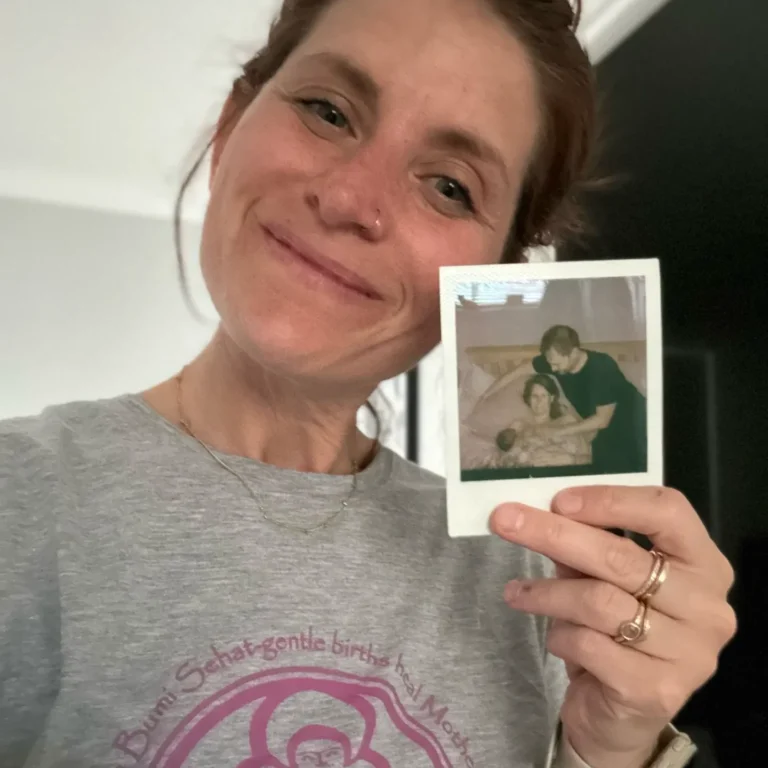 Not all VBAC support is the same. There’s a difference between a provider who hands you a protocol and one who sits with you, goes through the evidence, and asks what feels right for you.
These are some of the things you might hear from a provider who tolerates your VBAC rather than truly supporting it:
- “We’ll need continuous monitoring. It’s just our policy.”
- “We’ll book a repeat caesarean alongside, just in case.”
- “You can try, just know the risks.”
- “We support VBAC, but we don’t like you going past 39 weeks.”
What real VBAC support sounds like
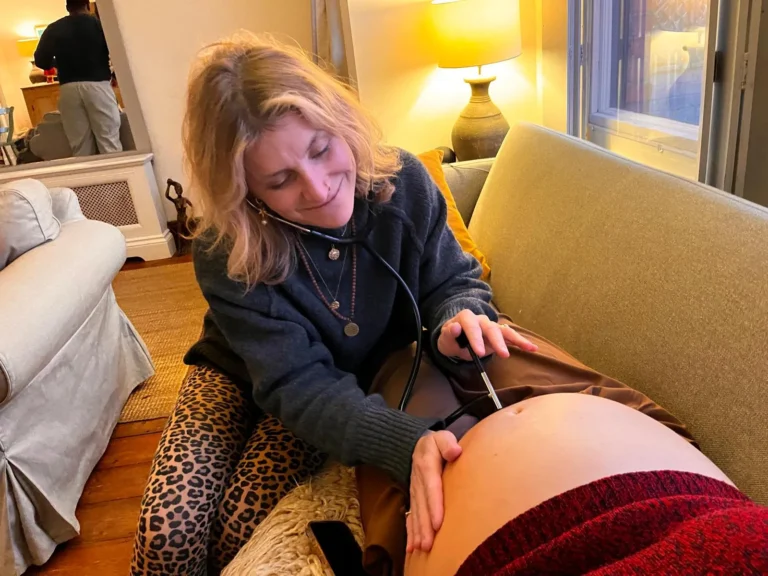
- “Spontaneous labour gives you the best chance. How do you feel about waiting for that?”
- “The guidelines exist, and so does your right to make an informed decision about each one. Would you like to go through them together?”
- “There are things we watch for throughout. If something shifts, we talk, we assess, we respond together.”
- “What does your gut say when you imagine each option?”
The words used in your appointments matter. Genuine support means understanding your options: knowing that continuous monitoring is the guideline, also knowing what that means for your labour in practice, and making an informed choice about it. It means someone who is reading the situation as it unfolds, not someone who has already decided how your birth ends.
Your last birth doesn’t define your next. But your care provider might.
How to move from hoping to planning your HBAC
1. Change your language
Replace “I hope to have an HBAC” with “I’m planning my HBAC”. Your words create your reality.
2. Know the evidence
Arm yourself with the research, so that your choices come from information rather than fear.
3. Find a care provider who truly supports you
Not someone who “allows” an HBAC, but someone who believes in physiological birth and trusts your body’s ability to labour.
4. Trust your body
Your previous caesarean doesn’t define your capacity. Your body remembers how to birth, and it needs the right environment to do it.
5. Create your sacred space
Home is where you feel safe, private and powerful, where your body can do what it’s designed to do without restriction. If you are wondering whether home is right for you, you might also like Is homebirth safe? What I want every woman to know.
How I support you
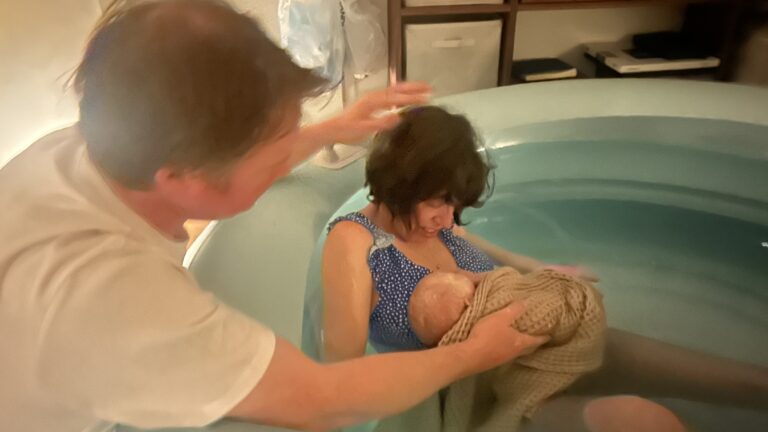
- Believing your body is capable
- Making informed choices without fear
- Creating the birth environment where you feel powerful
- Planning, not hoping for, your HBAC
You don’t need permission. You need information, support, and a midwife who believes in you.
If you are planning a home birth after caesarean in Sussex, Surrey, Kent or South London, I would love to hear from you. Get in touch to book a free exploration call and let’s start planning together.