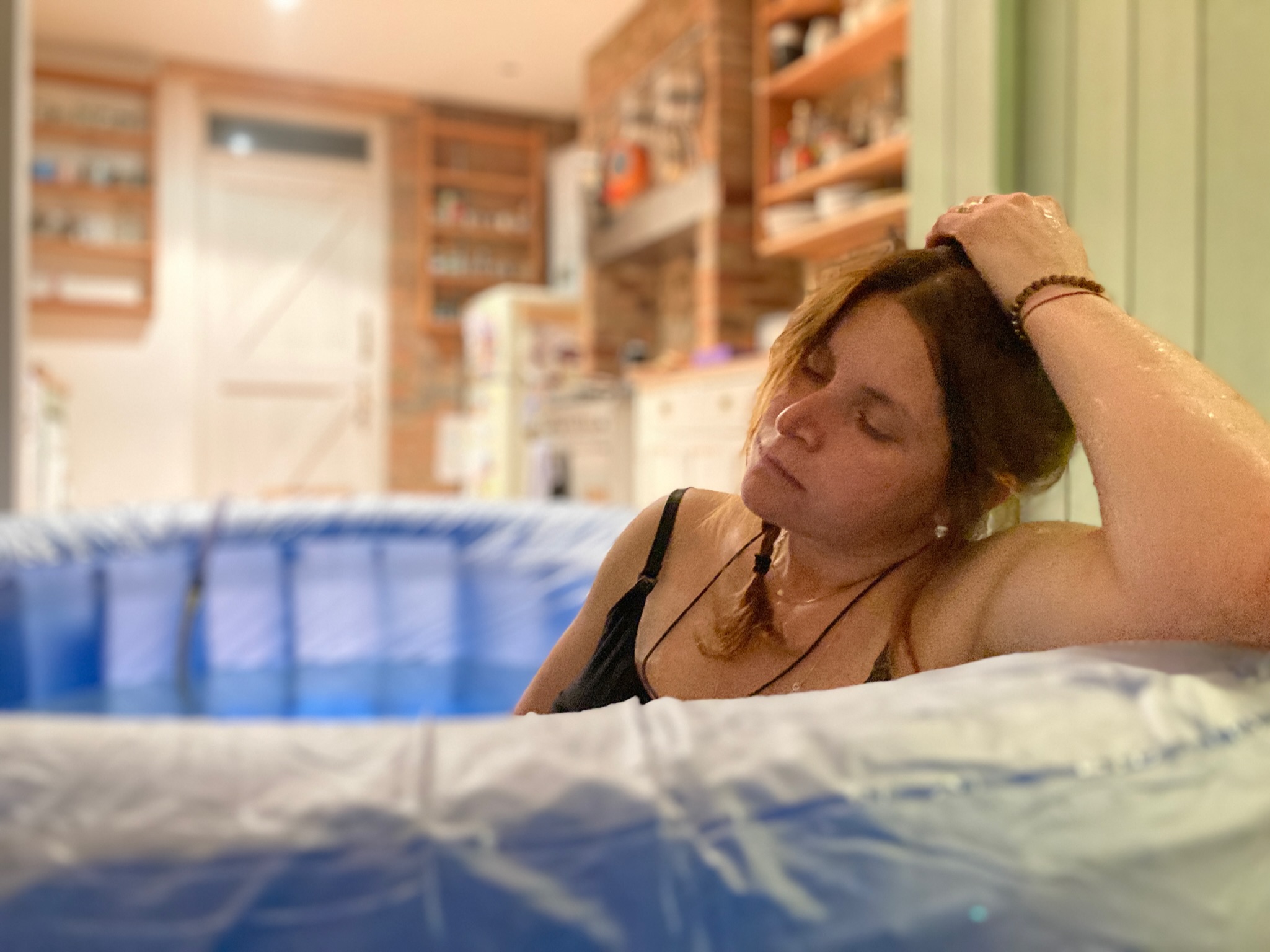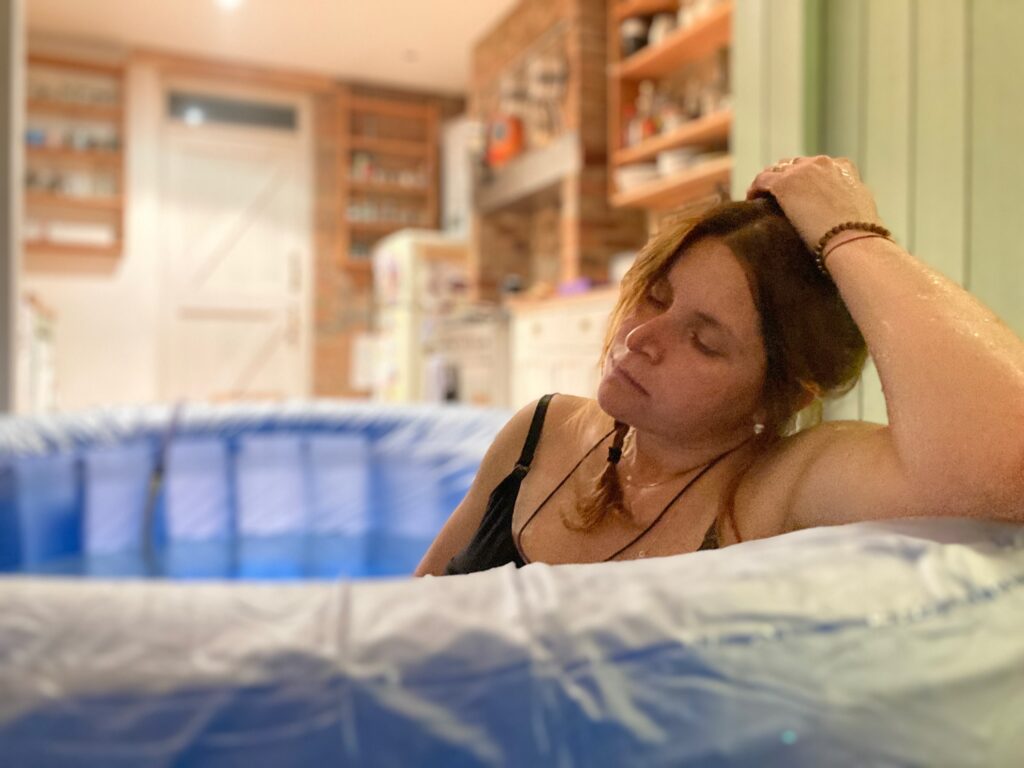
It’s Physiological Birth Week, and you might be wondering: what is physiological birth? You’re not alone. Most of us were never taught what our bodies can do in birth. So in this post, I’ll explain what physiological birth means, how your birth hormones work, and why protecting them matters so much.
What does physiological birth mean?
Your body does so many things without you having to think about them. Your heart beats, your lungs breathe, and you fall asleep when you’re tired. That’s your physiology.
Physiological birth works in the same way. It’s when labour starts on its own and your body births your baby in its own way and its own time. Nothing is done to start it, speed it up or change it.
Over millions of years, women’s bodies have evolved a way of birthing that is nothing short of extraordinary.
How does labour start on its own?
We still don’t fully understand how and why labour begins. But we know your baby plays a key role. When they’re ready, they send signals to your body in the form of hormones, letting it know it’s time.
In the days before labour, your womb becomes more sensitive to oxytocin. At the same time, your baby’s body prepares for birth and for life outside.
What are the hormones of physiological birth?
 During physiological birth, your body and your baby talk to each other in a language of hormones. Each one arrives at just the right moment to open, to ease, to strengthen and to bond. Dr Sarah Buckley brought the research on these hormones together in her report, Hormonal Physiology of Childbearing. She found they bring real benefits for mothers and babies.
Oxytocin, the hormone of love and birth
Oxytocin is what makes your contractions happen. Your brain releases it in waves. Each wave tightens your womb, opening your body and moving your baby down. As your baby moves lower, more oxytocin is released, and near the end, a natural surge helps you birth your baby.
Straight after birth, your oxytocin rises higher than at any other moment in your life. It helps your womb birth your placenta and protects you from heavy bleeding. And it floods you and your baby with love, the very first moment of your bond.
Endorphins, your natural pain relief
Endorphins are your body’s own natural pain relief. They rise as labour builds, so the stronger your contractions become, the more your body helps you cope. They can carry you into a dreamy, inward state, where time seems to slow and you simply follow your primal instincts.

At the moment of birth, your endorphins reach their peak, which can bring a rush of euphoria and joy as you meet your baby. Your baby makes them too, which helps them navigate labour. They’re even passed on through your milk, helping you both feel calm, connected and so joyful.
Adrenaline, your final rush
Adrenaline is your “fight or flight” hormone, and in birth, timing is everything. Early on, you want it low, because it can slow labour down. But right at the end, a natural rush of it gives you a burst of energy and alertness. It often comes with a strong urge to stand or move, ready to birth your baby. Many women feel a moment of doubt here, like “I can’t do this”, which is often a sign your baby is nearly here.
Your baby has their own adrenaline surge during birth. It protects them during strong contractions, helps clear the fluid from their lungs so they can take their first breaths, and makes them wide awake and alert, ready to meet you.
Straight after birth, your adrenaline needs to drop. That’s why warmth, calm and quiet matter so much in those first moments.
Prolactin, the mothering hormone
Prolactin is known as the mothering hormone. It rises through pregnancy to prepare your body to make milk, and it peaks again around the moment your baby is born. Every time your baby is held skin to skin and feeds, your body releases more. It helps you make milk and feel calm, tender and connected to your baby.
Why is skin to skin so important after birth?
The first hour after birth is often called the golden hour. When your baby lies skin to skin on your chest, your body becomes their whole world. You warm them, and you regulate their heartbeat, breathing and nervous system as they hear your heartbeat and smell your skin.
Skin to skin releases more oxytocin, endorphins and prolactin in both of you. This helps your body birth your placenta and helps you begin breastfeeding. It also passes your good bacteria to your baby, and lays the first foundations of your bond.
What are the benefits of physiological birth?
The benefits of physiological birth don’t end when your baby arrives. Dr Sarah Buckley’s research shows they may carry on through breastfeeding and the deep bond between you and your baby, shaping your early days together and beyond.
In short, physiological birth can help you:
- feel your body’s own pain relief as labour builds
- birth your placenta and protect you from heavy bleeding
- meet your baby awake, alert and ready to connect
- begin feeding your baby with confidence
- bond deeply with your baby from the very first moment
What can disturb physiological birth?
Your birth hormones flow best when you feel safe, private and undisturbed. Many things can interrupt them:
- bright lights and unfamiliar places
- strangers coming in and out
- being watched, questioned or rushed
- feeling judged or not believed
- fear itself
- medical interventions, including induction, membrane sweeps and epidurals
- a medical environment
- not being able to move freely
- not being able to eat and drink
And there are many other factors too.
Why does feeling unsafe slow labour down?
Like every mammal, your body is wired to protect you. When you don’t feel safe, adrenaline rises early in labour and holds back your oxytocin, so your body can pause until you’re somewhere safe to birth your baby.
In labour, your primal brain and instincts take over, and they still work just as they did when we lived in caves. Back then, a woman in labour who sensed danger needed her labour to stop, so she could find somewhere safe. Your body still does the same today.
What happens when birth is disturbed?
When birth is disturbed, contractions can slow or stop. Pain can feel more intense, and fear can build. This often leads to interventions such as induction, a drip to speed things up, or an epidural. These can disturb your hormones further.
After birth, your body still need safety and love to birth the placenta and prevent to bleed. separation and stress can also make those first moments of bonding and feeding harder. That’s why protecting physiological birth matters so much.
Is physiological birth really that simple?
Protecting and supporting physiological birth is about not disturbing something that works quite well for most women and people when we let it unfold.
If you’re thinking this sounds quite simple, and in reality it is more complex, I’d say yes and no. Of course there is a bit more nuance to it. But I can promise you this is what happens when birth starts on its own and we don’t interfere, because I’ve seen it so many times in my practice.
We just have to allow birth its own timeline, and this is so often where modern midwifery and obstetrics struggle.

And yes, there are exceptions. Sometimes birth takes a different path. Then we may need to step in, most of the time to help restore physiology, or to support your labour and birth in other ways.
Unfamiliar doesn’t mean unsafe
If physiological birth sounds unfamiliar, that’s okay. Most of us were almost never shown another way. But unfamiliar doesn’t mean unsafe. If you’d like to know what the research says about safety, read my post, “Is homebirth safe? What I want every woman to know”.
I know what physiological birth can be because I have lived it myself, twice. And after almost two decades as a midwife, I still see it every time in the women I care for!
Explore physiological birth with an independent midwife
If you’d like to explore what physiological birth could look like for you, I’d love to hear from you. I’m an independent midwife supporting families across Sussex and beyond. It starts with an exploring call, you can find my calendar here!