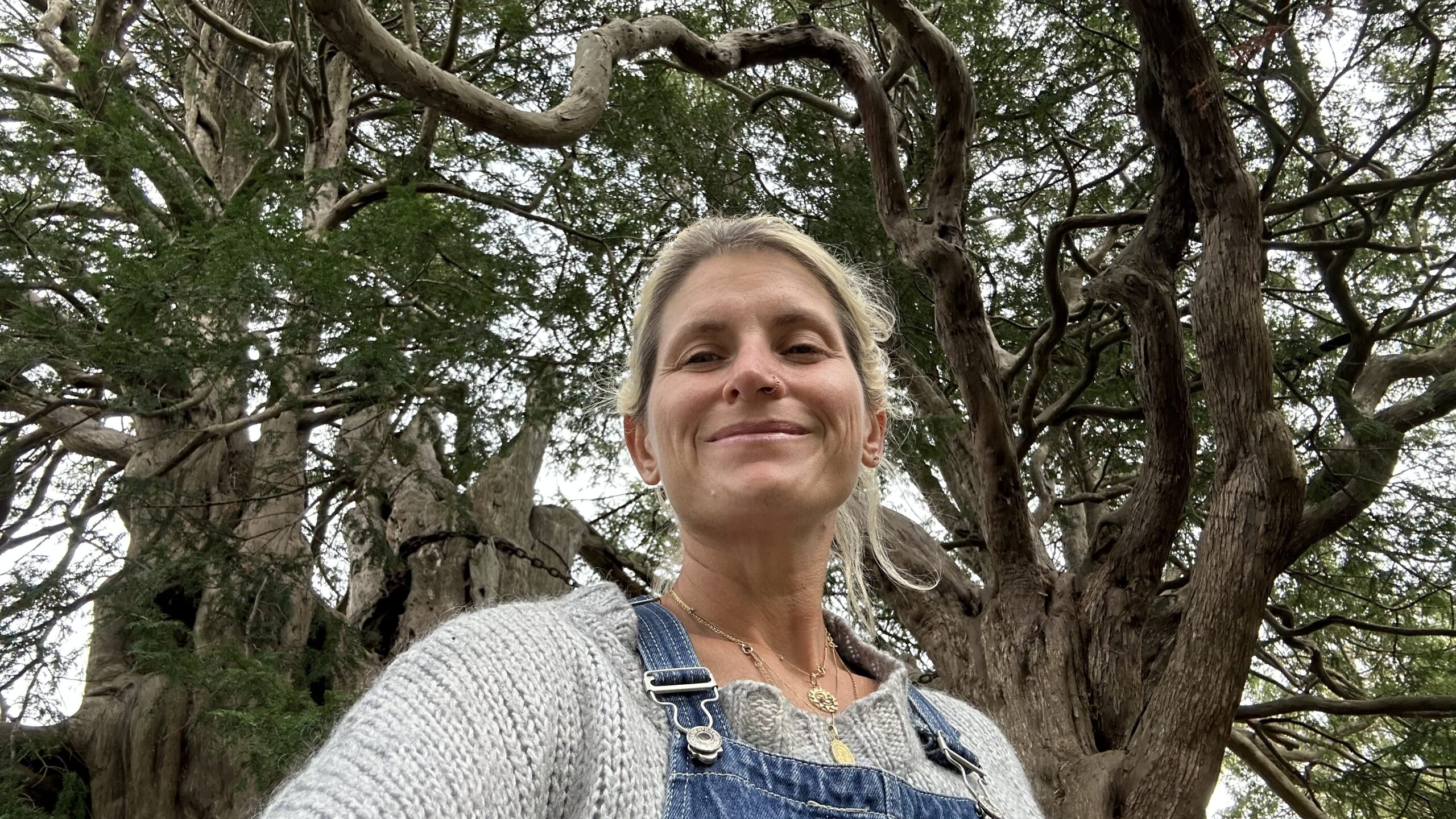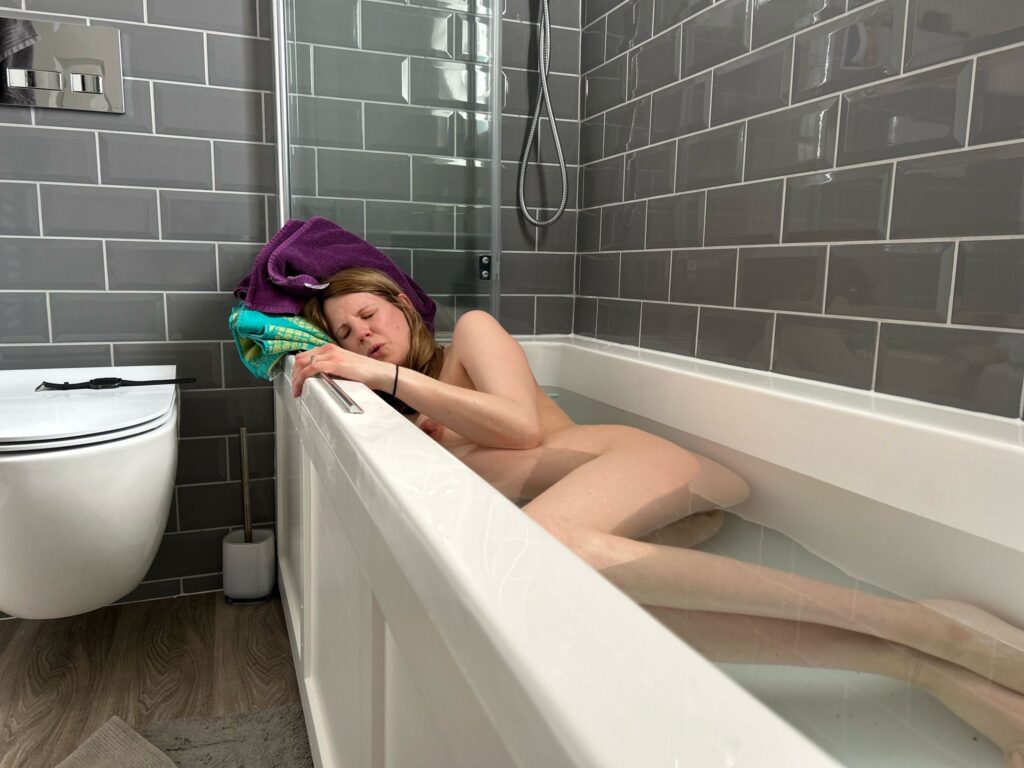
It’s Physiological Birth Week. Whether you’re pregnant or dreaming of your baby, I want to talk with you about where your beliefs about birth come from. I also want to answer the question so many women ask me: is homebirth safe?
Where your beliefs about birth come from
Much of what you believe about birth isn’t really yours. You pick it up throughout your life. It comes from the stories your family tells and the experiences your friends share after their babies arrive. It comes from the births you watch on TV, and from the headlines and social posts that seem to be everywhere.
Over time, those stories become what you expect for yourself, often without you ever questioning them.
Fear of birth, or fear of how you’ll be treated?
Dr Sara Wickham writes about this in her article Untangling tocophobia. Tocophobia means a fear of childbirth. She explains how our culture feeds this fear, from dramatic TV births to reality shows and social media. No wonder so many of us feel afraid.
She also noticed something important. Many women who seem afraid of birth aren’t really afraid of birth at all. They fear how others will treat them: strangers, unwanted interventions, and having to stay on guard. And you can’t stay on guard and relax enough to let your body birth at the same time.
So if you feel afraid, gently ask yourself this. Am I afraid of birth itself, or of the stories I’ve heard and the care I expect?
Birth can be so much more
 These limiting beliefs are only one version of what birth can be, and the possibilities are so different.
Birth can be a joyful, extraordinary experience. It can transform you into the best version of yourself. I know, because I have lived it myself, twice. And I know the families I support feel the same about their births. Imogen described her birth:
“The most intense, incredible, euphoric, challenging, wonderful, mindblowing, tiring, empowering, phenomenal, magical experience.”Read her story here
And as Rhiannon shared after her birth:
“They not only listened to me but truly heard me. They helped to make my birth special, positive and liberating.” here is her story
Why homebirth sounds extreme
Homebirth sounds extreme because physiological birth has become unfamiliar. And that should make us question what we’ve learned about birth.
If homebirth, or even just birth, still sounds like too much, that’s okay. Most of us almost never saw another way, a joyful way, so of course it feels unfamiliar. But unfamiliar doesn’t mean unsafe. It simply means there’s more to learn, and you can take your time with this.
Even many professionals now find it unfamiliar. A 2024 review in the journal Midwifery found that in a system focused on risk, many midwives and doctors rarely see a birth unfold undisturbed.
Your body knows how to do this
Physiological birth simply means birth that follows your body’s own rhythm. Your body is made for this. In labour, it releases a beautiful mix of hormones:
- oxytocin, the hormone of love, which brings your contractions
- endorphins, your own natural pain relief
- a rush of adrenaline to help you in the final moments
- prolactin, which helps you feed and bond with your baby.
Dr Sarah Buckley gathered the research on these hormones in her report Hormonal Physiology of Childbearing. She found they bring real benefits for you and your baby, including for breastfeeding and bonding. She also found that many routine interventions can disturb them.
That’s why protecting physiological birth matters. It isn’t about saying no to medical care when you need it. It’s about not disturbing something that works beautifully for most women when we let it unfold.
Is homebirth safe? What the research says
It’s the first question most women ask, and it’s the right one. Here is what some of the largest studies found for women with straightforward pregnancies.
- Scarf et al 2018: High-quality studies from high-income countries found no significant difference in outcomes for babies, whether women planned to birth at home, in a birth centre or in hospital. Women who planned a homebirth were more likely to have a straightforward vaginal birth. They were also less likely to have severe tears or heavy bleeding (Midwifery).
- Hutton et al 2019: This review looked at around 500,000 planned homebirths. Where services support homebirth well, the risk for babies was no different at home or in hospital. This was true for first babies too (The Lancet’s eClinicalMedicine).
- Reitsma et al 2020: Women who planned to birth at home had fewer caesareans, instrumental births, epidurals, episiotomies, severe tears and infections (eClinicalMedicine).
- Sidery et al 2025: This Australian study followed women cared for by a known midwife in a publicly funded homebirth programme. Women who planned a homebirth were more likely to have a physiological birth and an intact perineum than a matched group in hospital. Even those who transferred had fewer assisted births and caesareans (Women and Birth).
Safety is emotional too
Sara Wickham brings this research together in her Is home birth safe? hub, and her answer is yes. She also reminds us that safety isn’t only physical. Women who birth at home often feel safer, and they experience their birth as less traumatic.
None of this means every birth can or should be physiological. It doesn’t mean you should birth at home either. But if you’re healthy and your pregnancy is straightforward, physiological birth isn’t the risky choice people often make it out to be. It’s a safe, reasonable choice, and it’s yours to make.
Here is my Blog post about “higher risk” home birth.
Notice where your beliefs came from
 Notice where your beliefs about birth came from, and whether they were ever really yours. You don’t have to figure it out today. You just have to be curious enough to keep asking questions, and to keep finding your answers.
I’m going to help you visualising your birth, listen here
What could birth look like for you?
If you’re starting to wonder what birth could look like for you, let’s talk.